
Capers: The Flower That Never Bloomed
Small, green, and distinctive: that tiny dot which gives a puttanesca its kick is actually an unbloomed flower. We’ll take you amongst the rocks and sun of the Mediterranean.
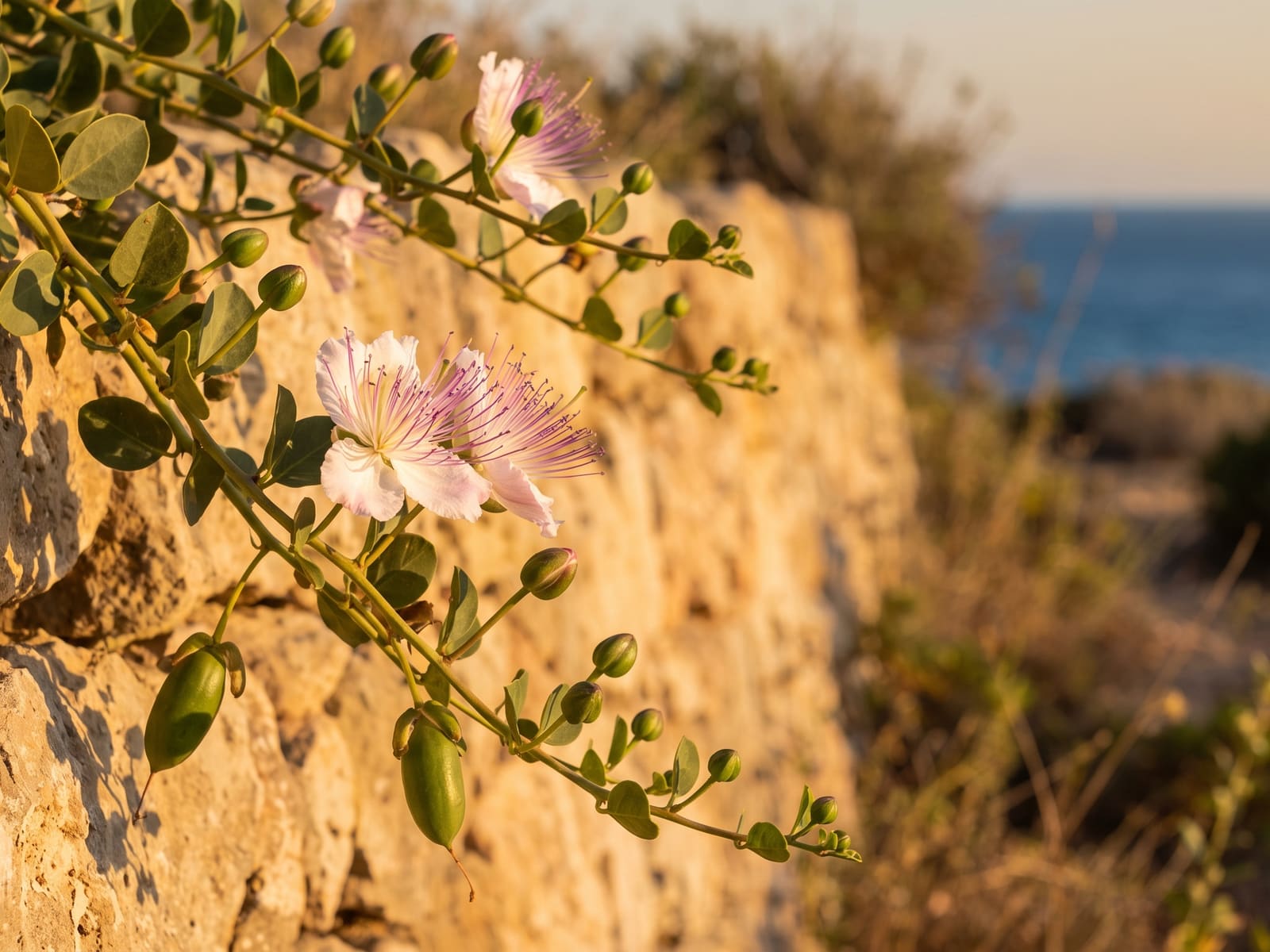
Did you know? That small green dot, which adds character to a puttanesca or vitello tonnato, is actually a flower. Or rather, a flower that never bloomed.
The caper is the still-closed bud of Capparis spinosa, a tenacious plant that grows wild throughout the Mediterranean: amongst the rocks, in the cracks of dry stone walls, where the sun beats down fiercely and water is scarce. If not harvested in time, that bud opens into a white and pink flower, with a tuft of purple stamens. Beautiful to behold — but by then the caper has already transformed into something else entirely.
And this is where patience comes into play. Harvesting is done by hand, one by one, in the cool morning hours, all summer long. A slow and precious endeavour, often on steep terraces overlooking the sea: what is, not by chance, called heroic agriculture. The most famous capers come from the Sicilian islands, kissed by the sun and salty wind.
And caperberries? These are the fruits of the caper plant, which appear once the flower has run its course: small, elongated, firm berries, perfect for serving whole as part of an aperitivo. Same plant, two different delights.
When freshly picked, the caper is bitter and almost inedible: it's the salt that slowly transforms it into the concentrated savoury flavour we know. A tip from those who have always processed them: rinse them before use and add them raw, at the last moment, because when cooked they lose their fragrance. Just a few capers are enough to invigorate a pasta dish, a sauce or a summer salad.
Small gems born in the sun: with Zuccato, even a flower that never blossomed becomes a delicacy.
Continue reading
All articles →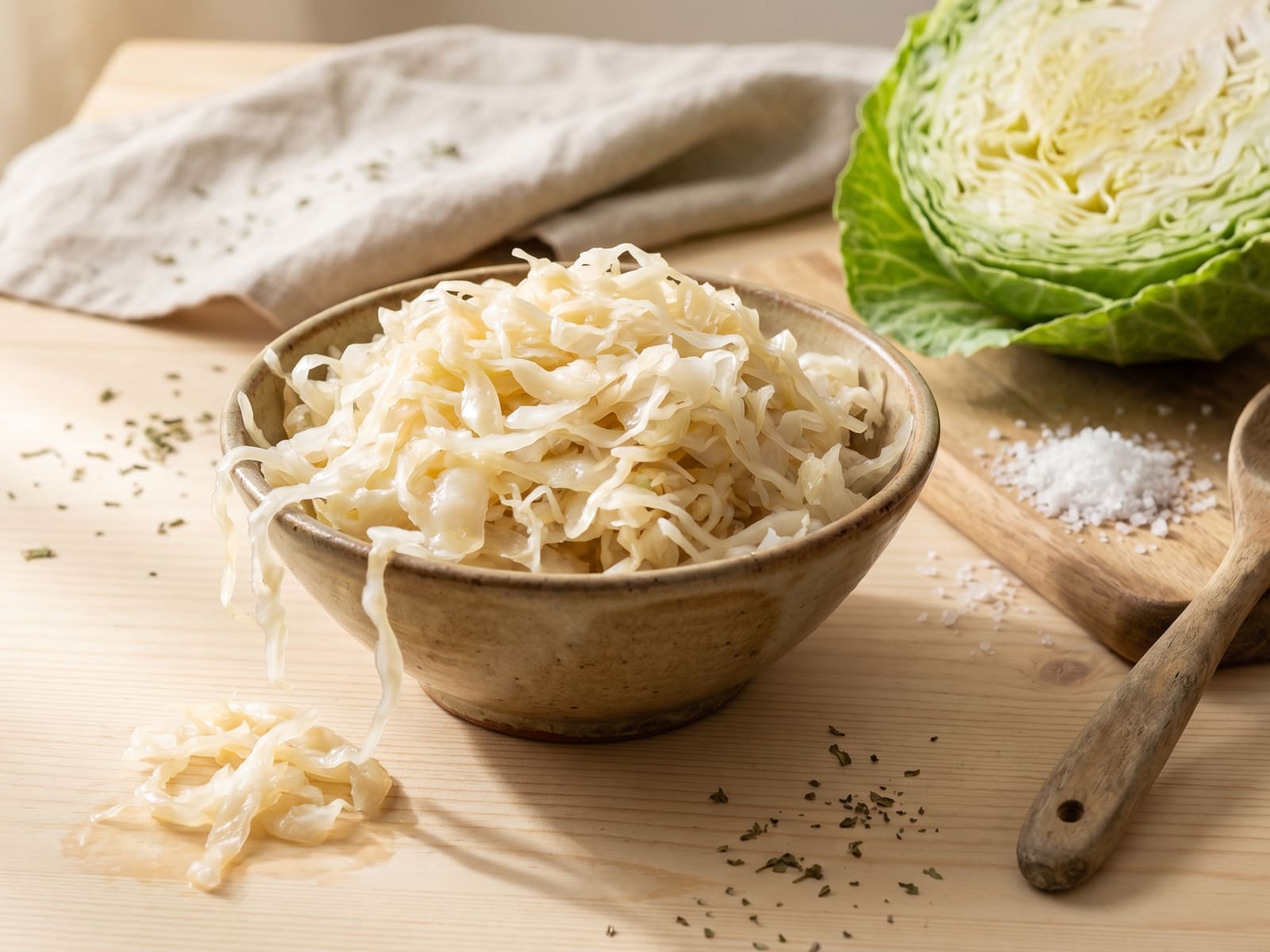
The Art of Fermentation: The Secret of Our Sauerkraut
From fresh cabbage to glass jar, the journey of one of the world's oldest preserves. Discover why our sauerkraut is different.
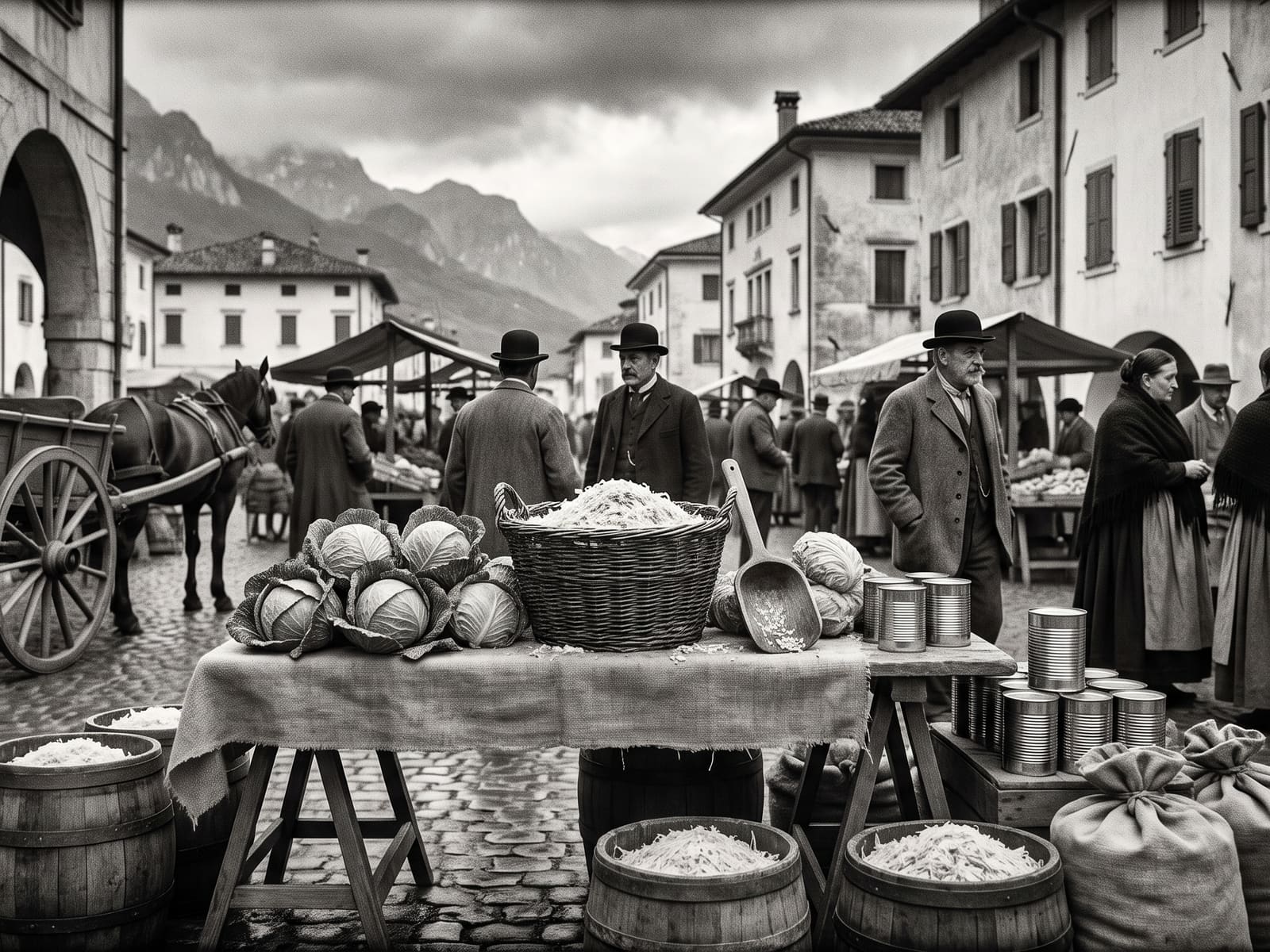
Over 150 years of history: from 1868 to today
A small artisan workshop in Caltrano, in the province of Vicenza. That's where it all began. Today, we are one of the most significant companies in the Italian food preserving sector.
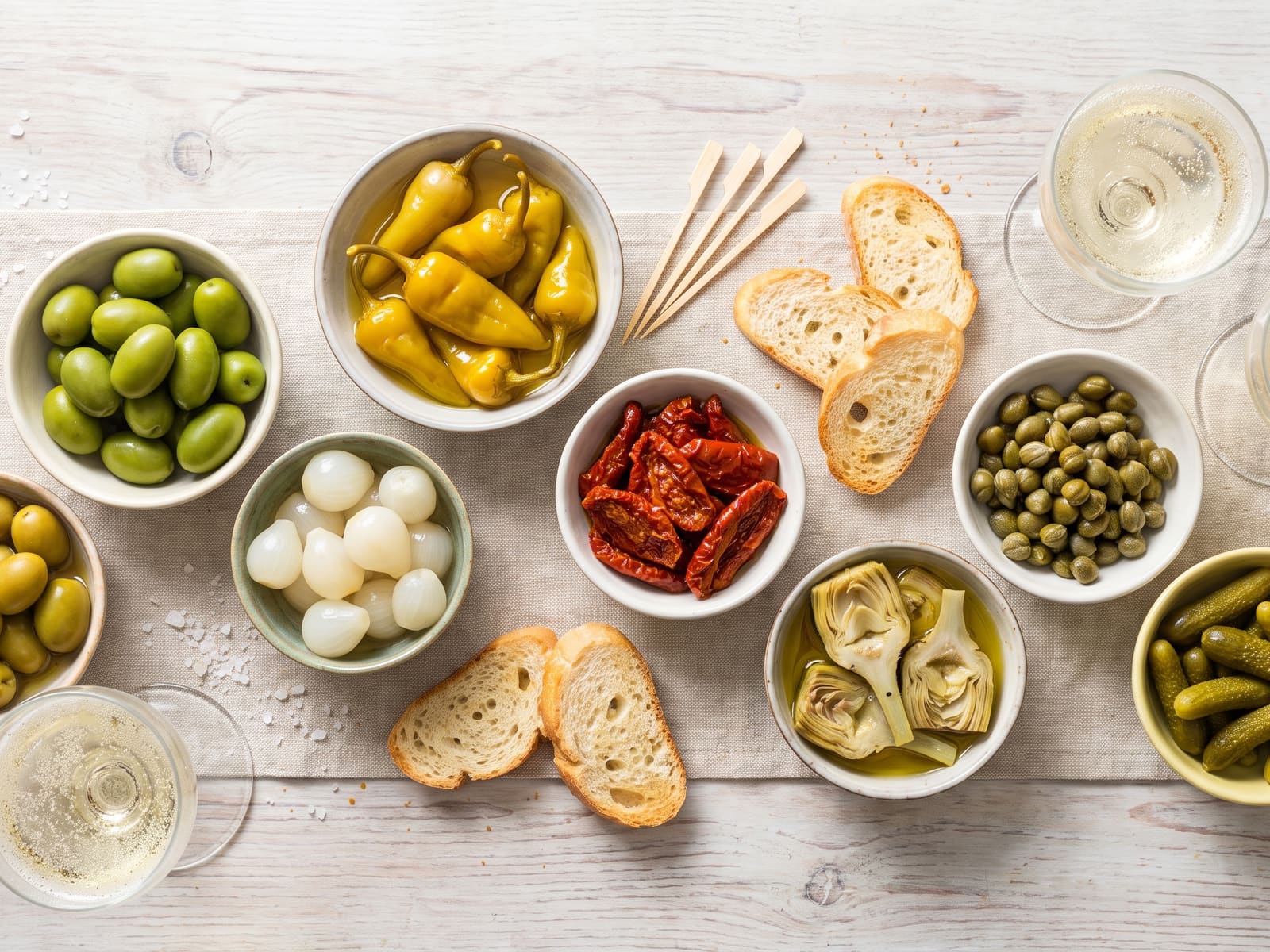
The Perfect Italian Aperitivo: Our Guide
Cerignola Olives, gherkins, giant capers and Borettana onions: the essential ingredients for an aperitivo for true connoisseurs.