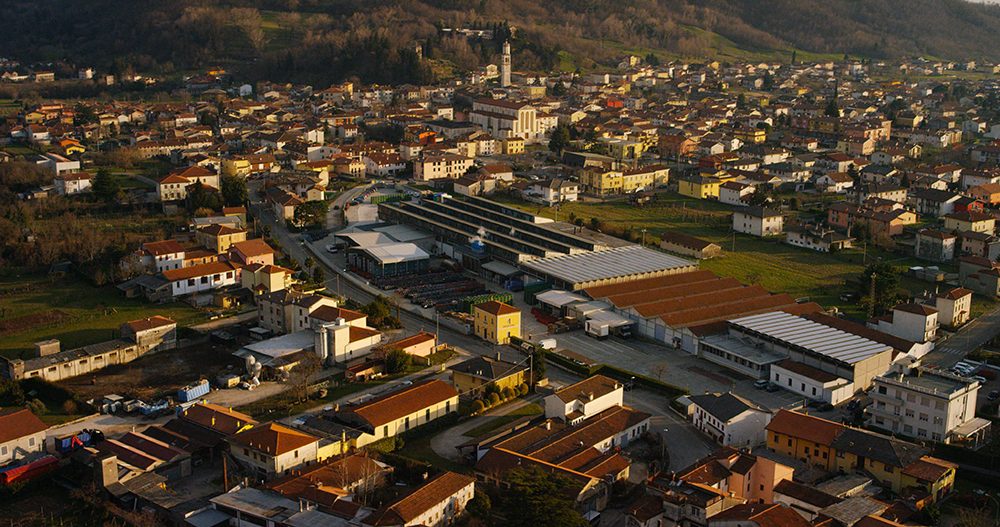
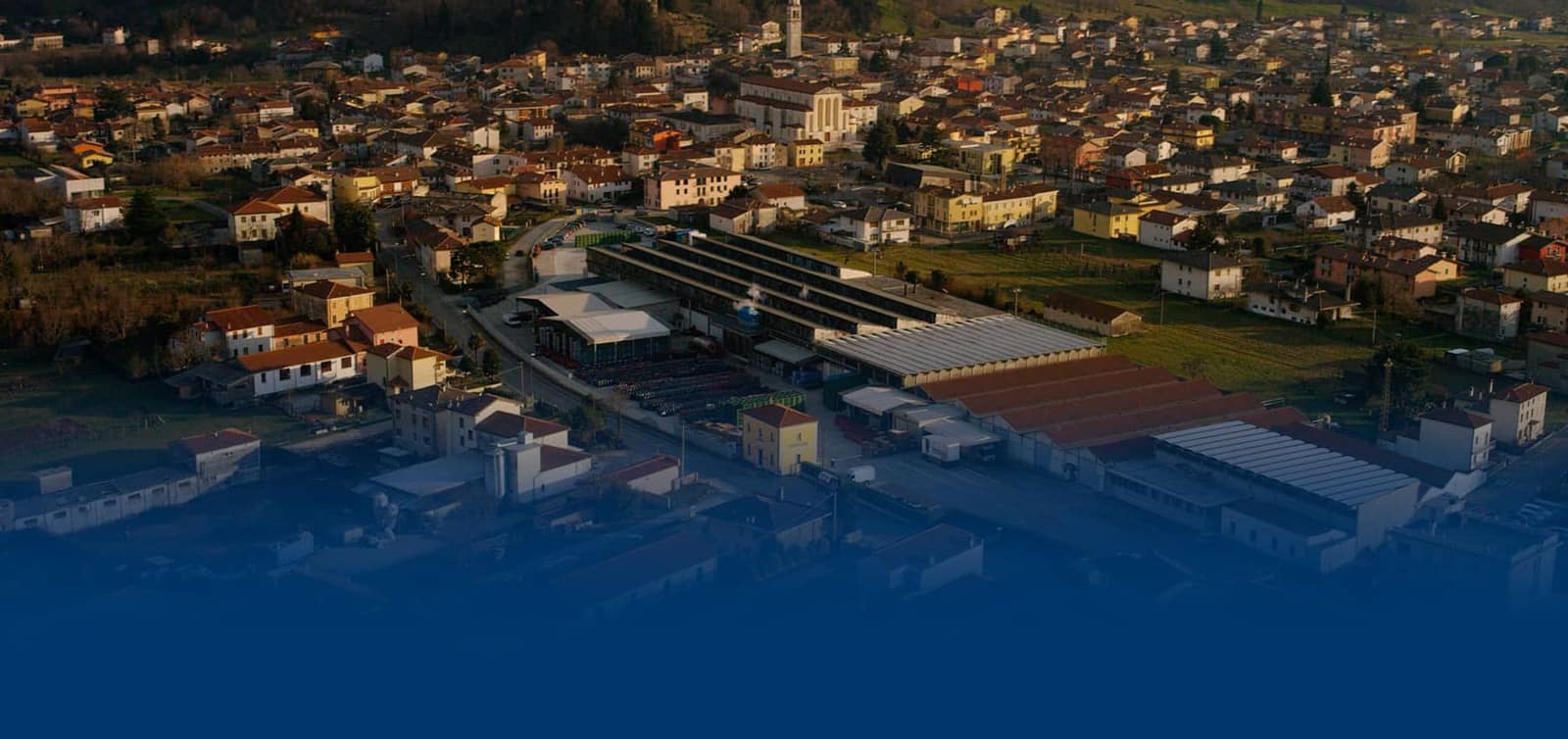
Zuccato plant in Chiuppano — aerial view
FROM 1868 TO TODAY

Our story

More than 150 years of tradition, daily work and passion for an authentic product.

«It all began in a small provincial shop, way back in 1868…»

Zuccato was founded in 1868. Like all the longest-standing Italian food companies, it began in a small artisan shop in a provincial village. The village lies in the province of Vicenza and is called Caltrano, at the foot of the Venetian Prealps. The founder was Federico Zuccato: a promising young man who had arrived from Thiene one year after Veneto joined the Kingdom of Italy. He could not have imagined that his shop would become one of the best-known names in the Italian preserved foods sector.

THE CALTRANO SHOP

The oldest shop in the village

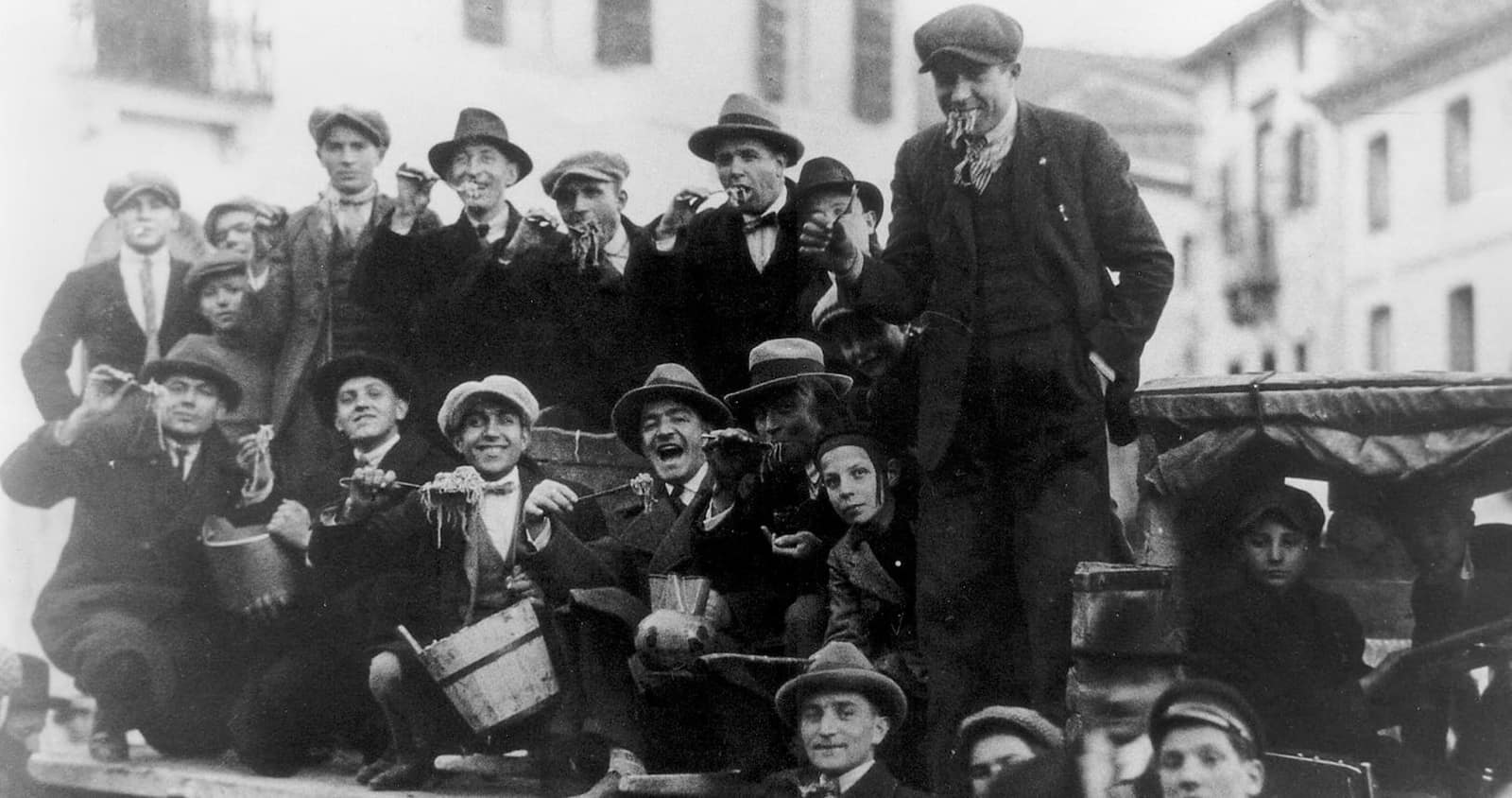
Federico did not open just any shop. He bought the oldest building in Caltrano — the house that had belonged to the noble Bonaguro family — and started the village's only grocery store there. Bread and cheese, oil and pasta, white and yellow flour, dried chestnuts, salted fish: everything was there. A bakery, a delicatessen and a coffee roastery soon grew up around the shop.

Caltrano was the obligatory crossing point for trade between the plain and the Asiago Highlands. Every day the carters went up and down the steep road of the Costo: timber and logs down to the sawmills, flour and fresh vegetables up to the mountains. When they reached the village bridge they stopped at Zuccato's, to stretch their legs and buy something for the family.
THE INSIGHT

The sauerkraut of the Highlands

In 1880 Federico had married Maria Pesavento, from the Asiago Highlands, and he knew the mountain sauerkraut tradition well: white cabbages finely shredded, salted in layers and left to ferment slowly in wooden tubs. Every autumn he bought a few barrels of sauerkraut from a carter to resell in the shop. People loved it straight away.

In 1884 his brother Rinaldo joined the company and the firm took the company name it still bears today, Fratelli Zuccato. Alongside the activities mentioned above, a small pasta workshop was added, producing «Pasta Superba», press-extruded as was the Neapolitan custom of the time. But it was a few years later that he decided to produce in house the product he believed in most: sauerkraut…!

1898 — THE TURNING POINT

The summer that changed everything

In the very first year production was so abundant that the surplus had to be sold off, offering the sauerkraut to shops in the neighbouring villages too. Chance did the rest: that year a brosemada — the treacherous frost that comes at night, under a clear sky, and burns the shoots — devastated the vegetable gardens of half the province. The Zuccato sauerkraut, safe in its brine, was the only vegetable left. Orders came from Schio, Thiene, Valdagno, Bassano del Grappa, all the way to Vicenza.

Within a few months sauerkraut had become the shop's signature product, the one that would carry the Zuccato name across all of northern Italy.

KNOWLEDGE FROM AFAR

The mastellari, craftsmen of sauerkraut

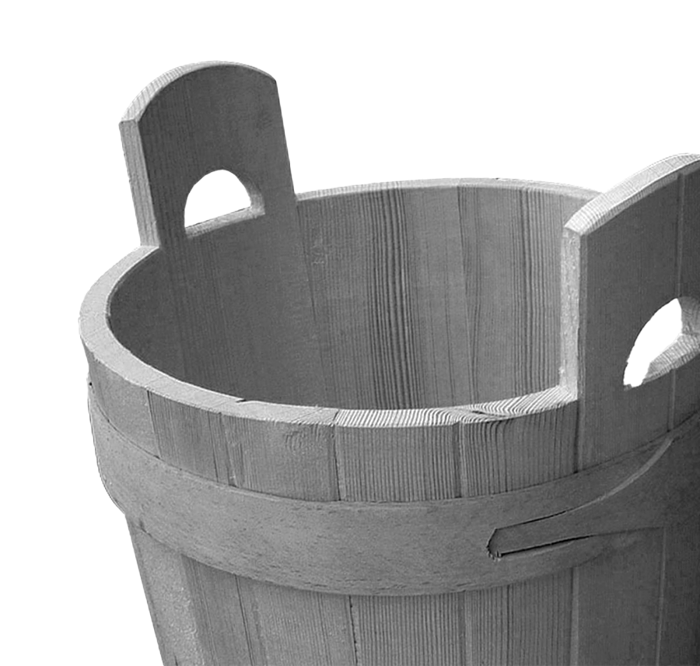
Before the labelled tins there was wood. There were the tubs where the white cabbage was salted and left to work, slowly, following the rhythm of the lactic fermentation guided by salt and time. They were not built by ordinary carpenters but by the mastellari of the Highlands: the Zuccato family bought them from the craftsmen of the Gaiga district, in Asiago — some of them distant relatives of Maria Pesavento herself.

It took hands able to «close» the wood without betraying it: well-seasoned spruce staves, hoops driven in at exactly the right point, a solid base. Because sauerkraut is unforgiving — if the tub does not hold, the brine escapes, air gets in and the work is lost. That container was preservation and packaging in one: it held the product and let it travel to the shops. A craft made of precise gestures and ancient words, often in the Cimbrian language, today almost vanished.

AROUND 1910

The choice to grow

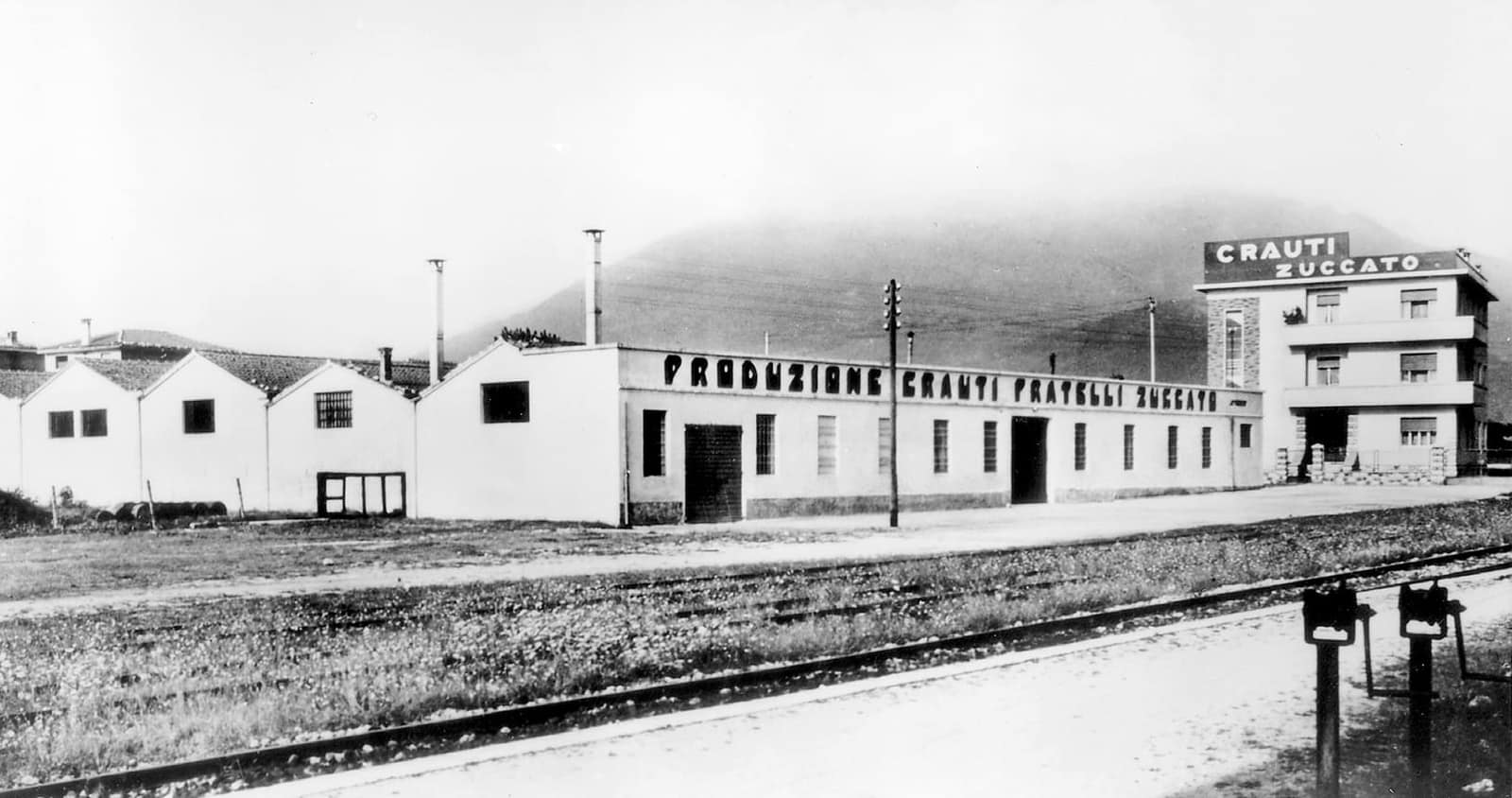
As processing grew, running the shop and the production together became too much. The two brothers divided the tasks: Rinaldo stayed with the delicatessen, the roastery and local trade; Federico continued to run the pasta workshop and the sauerkraut. Later he moved production to Chiuppano, where the railway had arrived between 1907 and 1910.

It was not a sentimental choice but an industrial one: from the Chiuppano-Caltrano station the cabbages arrived from Trentino and the barrels of sauerkraut left by wagon for the whole of northern Italy. Since then the production site of Fratelli Zuccato has never moved.

1915 – 1945 — RESILIENCE

Two wars endured

The Alto Vicentino became a war zone on the mountains of Pasubio and the Highlands. During the Strafexpedition of 1916, an Austrian artillery shell even fell into the courtyard of the Zuccato house in Caltrano. The family was saved, but production had to stop for more than two years. When Federico died, it was his sons Giustiniano and Gio’Batta who led the rebirth.

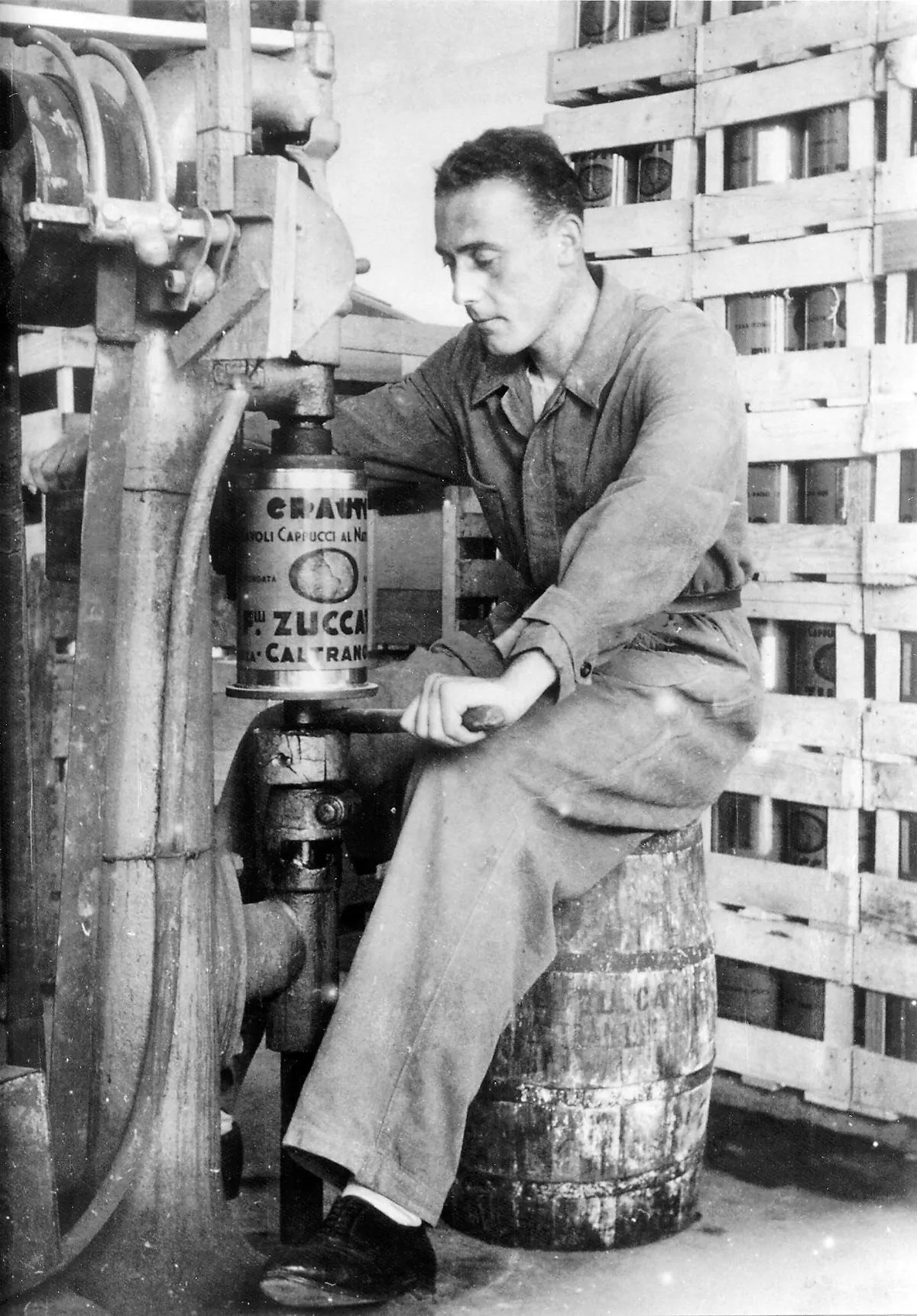
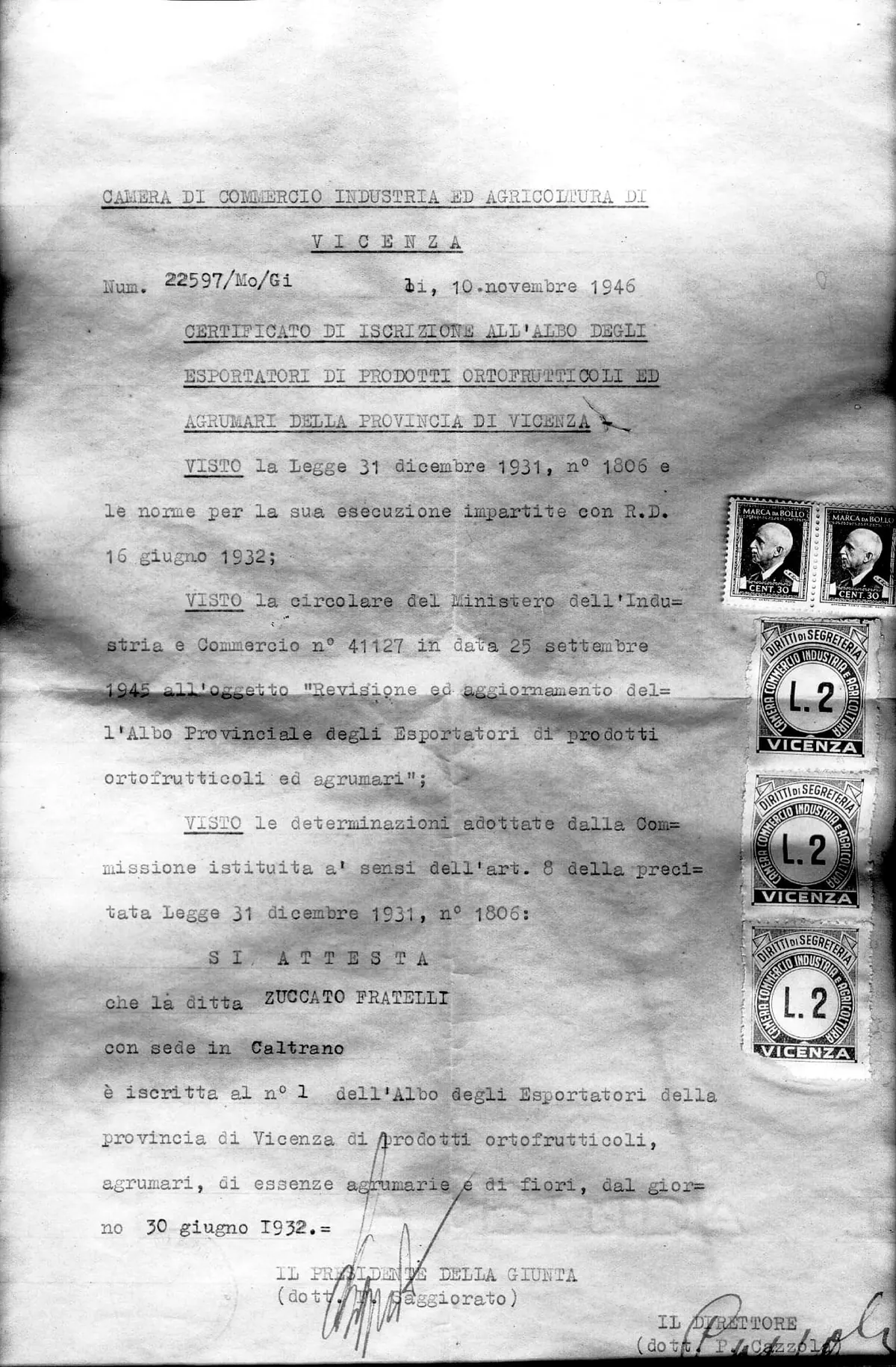
In the 1920s the company started again, and in 1932 it was registered as number 1 on the roll of fruit and vegetable exporters of the province of Vicenza. The 1930s also brought the first mechanisation: one of the first engines built by Pellizzari drove the slicer; five people built up to 230 tubs a day, hooped with the metal straps recovered from bales of Australian merino wool. The second war too was endured and overcome. Every reconstruction was sturdier than the one before.

POST-WAR YEARS

The great idea: pasteurisation

The limit of sauerkraut was the season: it sold only in autumn and winter. The turning point was pasteurisation, which made it possible to keep it whole and flavourful all year round, sealed in tins and distributed throughout Italy in every season. From a «poor» food of peasant society, sauerkraut became a speciality chosen for its taste and its quality.

It was the years of the third generation — Antonio, Remo and Romolo Zuccato — that brought the company into the modern era. Antonio looked after administration and relations with the banks, Remo production and technology, Romolo the organisation of work. They had the courage to export Italian sauerkraut even to France and Germany — where sauerkraut was a centuries-old tradition — following their instinct, exactly as Federico and Rinaldo had done at the beginning.

FROM THE 1960s

From sauerkraut to specialities

The first great diversification came almost by chance. In the mid-1960s, during a business trip to Czechoslovakia to buy cabbages, Remo Zuccato fell in love with snaim, the sweet-and-sour gherkins of the Slavic tradition. After two or three years of trials and of tuning the recipe to Italian taste, the gherkin line was born, still today among the most loved.

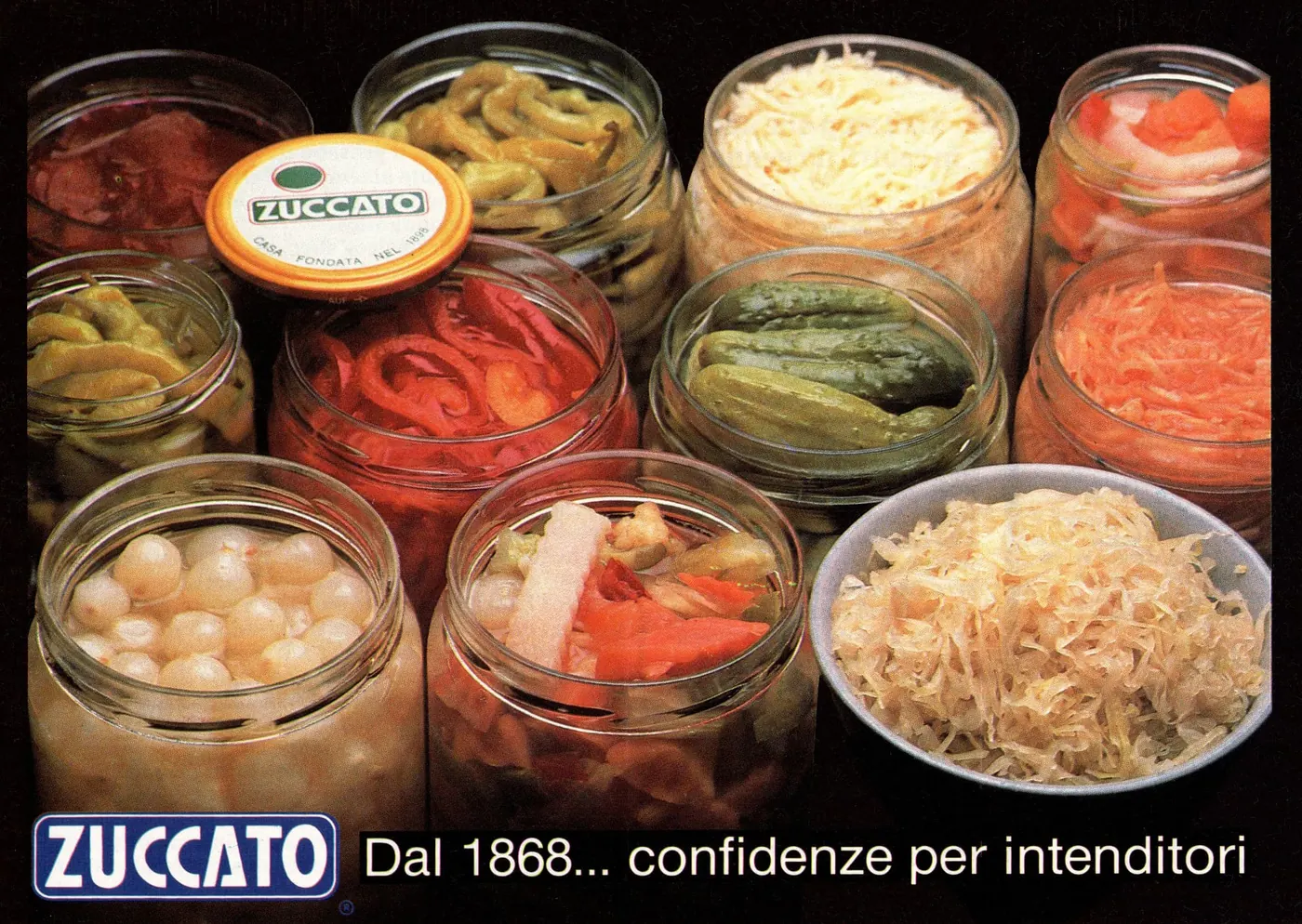
From then on the range widened without pause: sweet-and-sour vegetables, pickles, olives, capers, antipasti in oil. A precise choice — not to compete on volume with the big brands, but to focus on speciality: distinctive products of superior quality, each with a character of its own. It is the same vocation shown with sauerkraut ever since 1868.

1868

The foundation

Federico Zuccato opens a grocery shop in Caltrano, at the foot of the Venetian Prealps.

The foundation
1884

Pasta Superba

The insight of producing a new product in house: «Pasta Superba». The firm takes the company name it still bears today.

Pasta Superba
1898

The year of sauerkraut

Bad weather devastates the vegetable gardens; the sauerkraut in the wooden tubs survives and becomes the only vegetable available.

The year of sauerkraut
~1910

From Caltrano to Chiuppano

Production moves to Chiuppano, where the railway arrives. It has never moved since.

From Caltrano to Chiuppano
1930

Mechanisation

The first engines arrive — one of the earliest built by Pellizzari — and cabbage slicing is mechanised. Production becomes industrial.

Mechanisation
1932

Number 1

Registered as number 1 on the roll of fruit and vegetable exporters of the province of Vicenza.

Number 1
Dopoguerra

Pasteurisation

A pasteurisation process preserves the qualities of sauerkraut in tins: it sells all year round.

Pasteurisation
1960

The range is born

The offer widens: sweet-and-sour vegetables, pickles, olives, capers and antipasti in oil.

The range is born
1968

Extreme latitudes

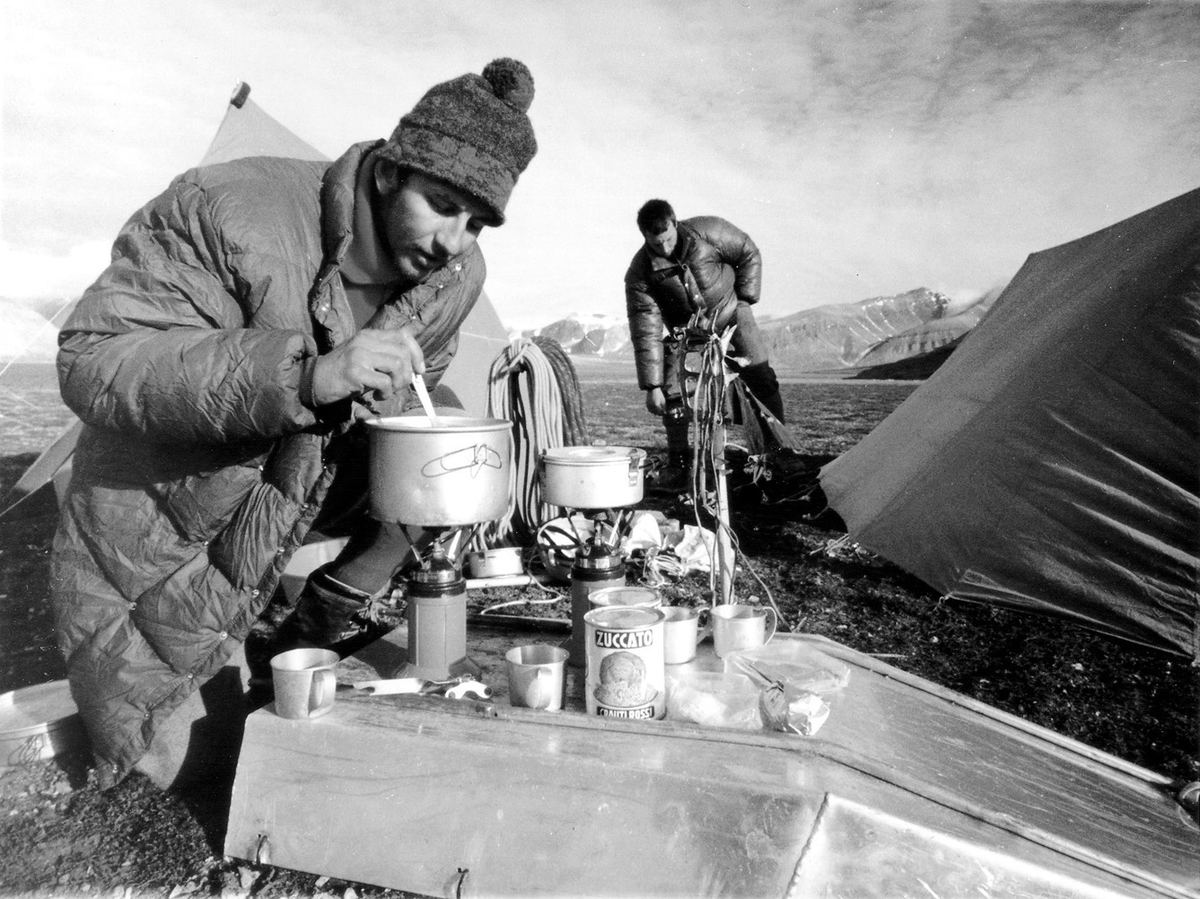
Zuccato sauerkraut accompanies the Spitzbergen expedition on the ice of the Arctic.

Extreme latitudes
Anni '80

A new generation

Automated systems, new products and international markets. The founders' philosophy remains intact.

A new generation
1995

ISO 9001

First quality certification: among the first companies in the Italian vegetable preserves sector.

ISO 9001
1998

One hundred years of Zuccato sauerkraut

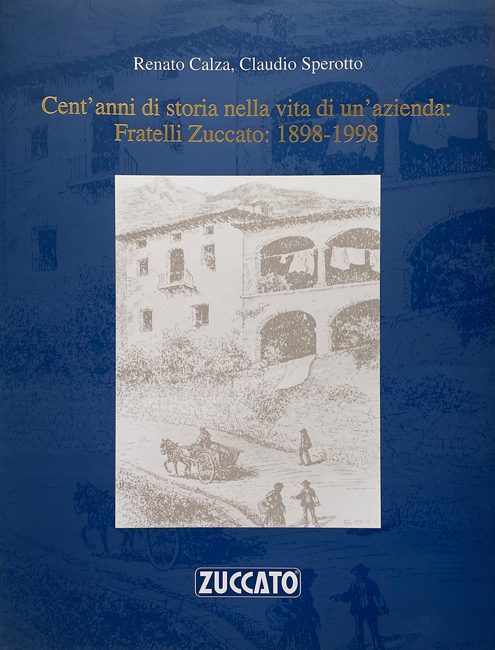
To celebrate a century of in-house sauerkraut production, a commemorative book recounts the company's history in detail.

One hundred years of Zuccato sauerkraut
2001

ISO 14001

Environmental certification. Sustainability enters the company DNA.

2003

Supply chain traceability

ISO 22005 for the growing of white cabbages and the production of sauerkraut.

2010

IFS Standard

Certificate of compliance with the IFS Standard.

2016

Sauces and pestos

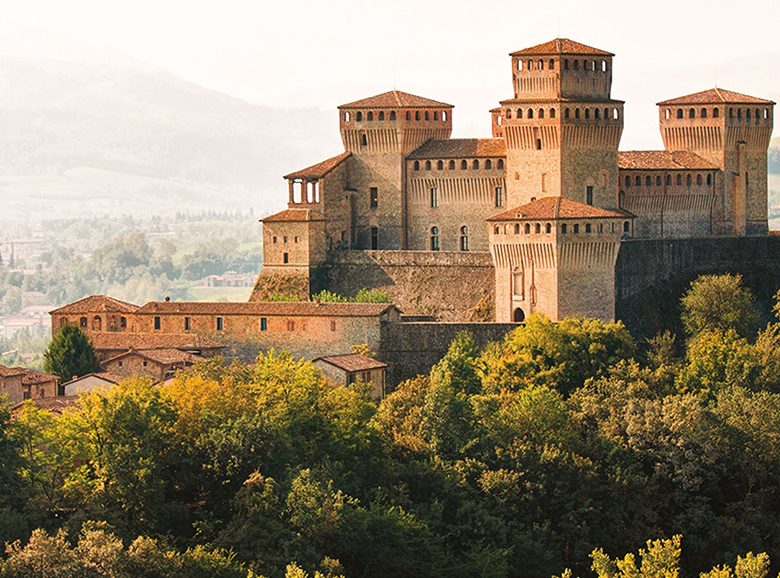
The Zuccato range widens with new bruschetta toppings, pasta sauces and tomato-based pestos at the new plant in Langhirano (Parma).

Sauces and pestos
2018

150 years

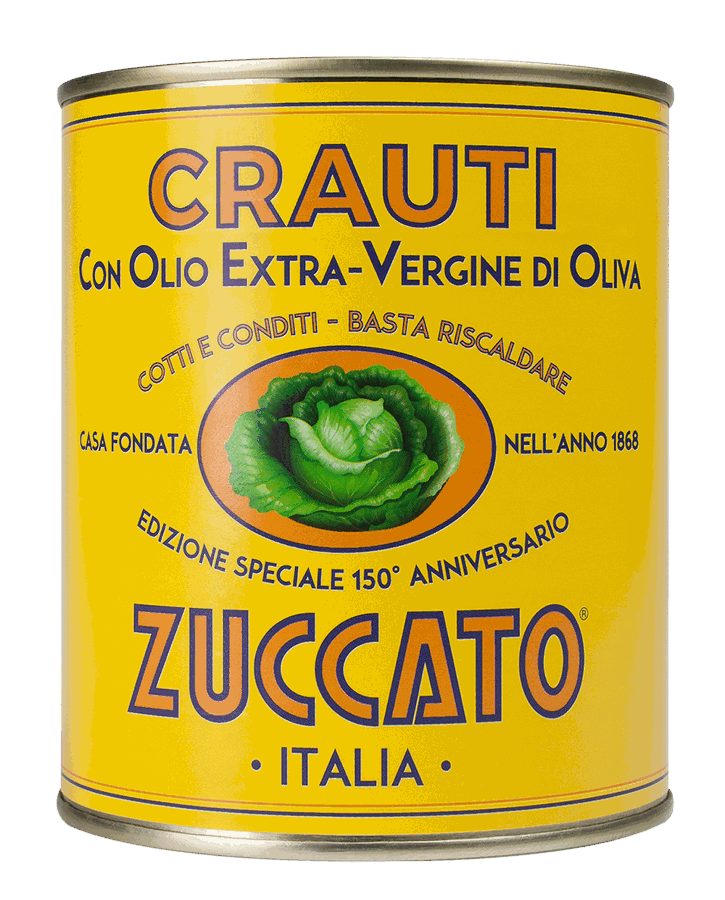
150 years are celebrated with a limited-edition commemorative line reviving the historical graphics.

150 years
2026

The expansion

The Chiuppano site expands across 2 production sites, 22,000 m² with the most advanced technologies.

The expansion
Oggi

Over 10,000 tonnes

Two plants, millions of packs produced each year, more than 500 products. Distributed in Italy and worldwide.

Over 10,000 tonnes
THE FAMILY

Five generations

It does not happen often, in the history of Italian industry, that a company stays in the hands of the same family for over a century and a half. It happened to Fratelli Zuccato: five generations that have passed on the same baton, between loyalty to their roots and the desire to renew.

First generation

Federico

Federico opens the shop in 1868; his brother Rinaldo joins him later. They are the ones who sense the fortune of sauerkraut.

And the story continues…

TODAY

Over 10,000 tonnes a year, the same care

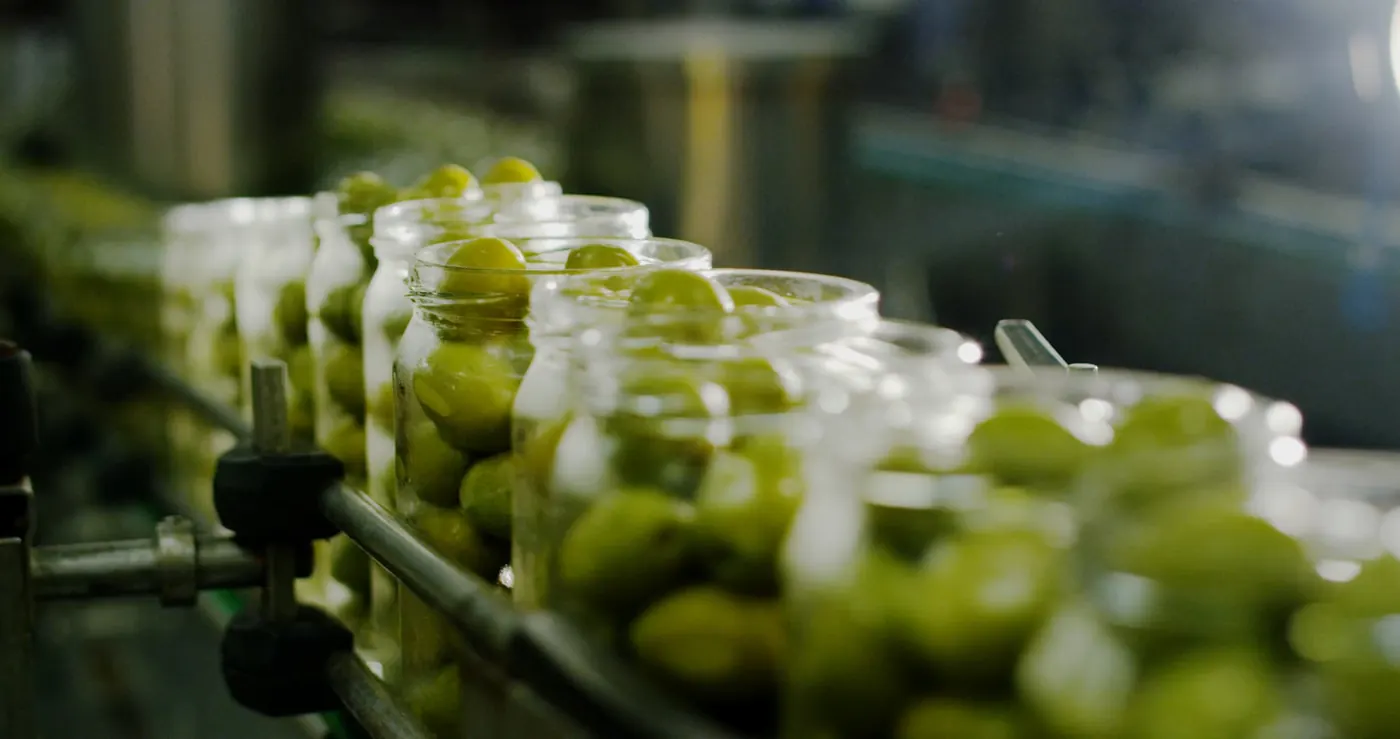
Fratelli Zuccato today processes over 10,000 tonnes of vegetables a year, in two plants. More than 500 products: sauerkraut, sweet-and-sour gherkins, olives, giardiniera, pearl onions, vegetables in oil, ready sauces, pestos, capers, peppers and many more.

The gherkins are still processed exclusively fresh, with no time in brine. That is why they stay crunchy. It is not marketing: it is the supply chain. The artisan know-how of the past has become the production science of today — but the root is always the same.

Historical archive

Fragments of more than a century of Zuccato

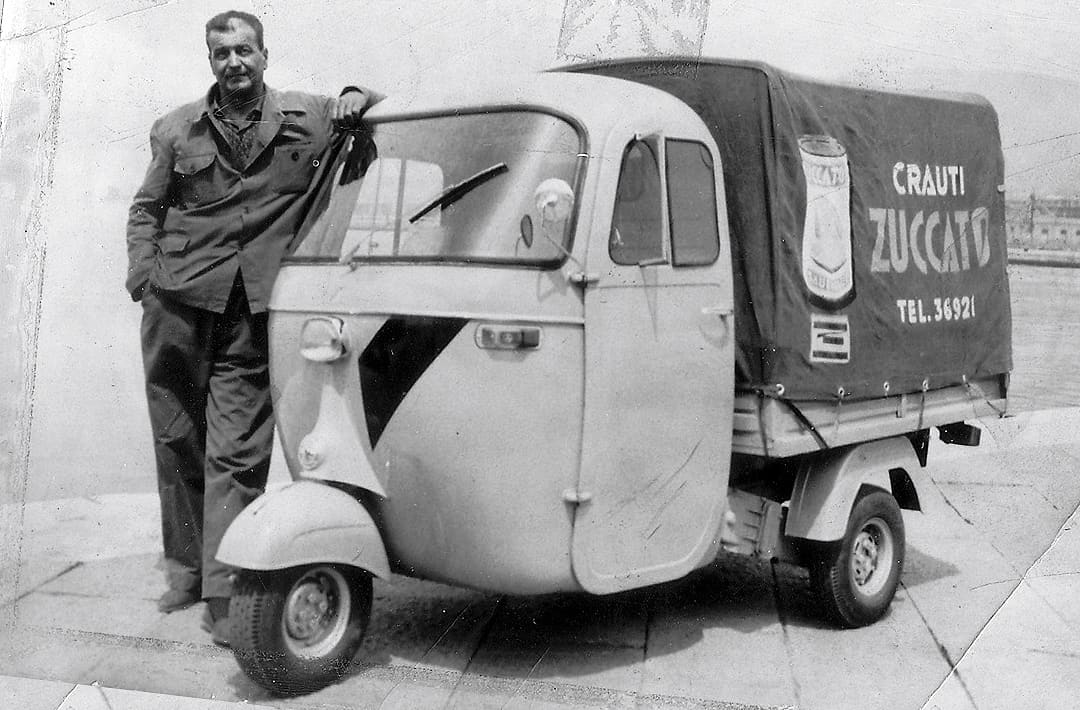
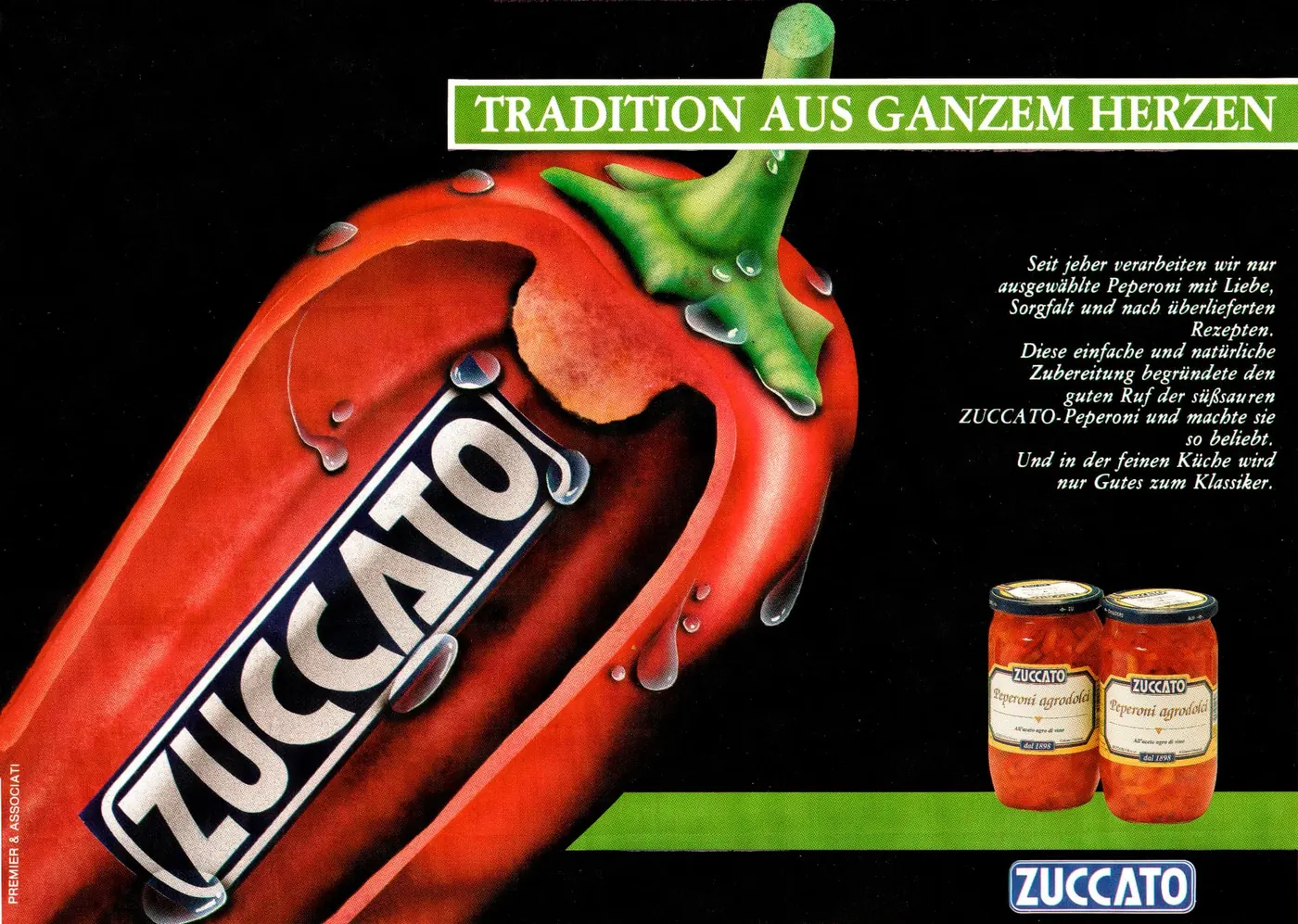
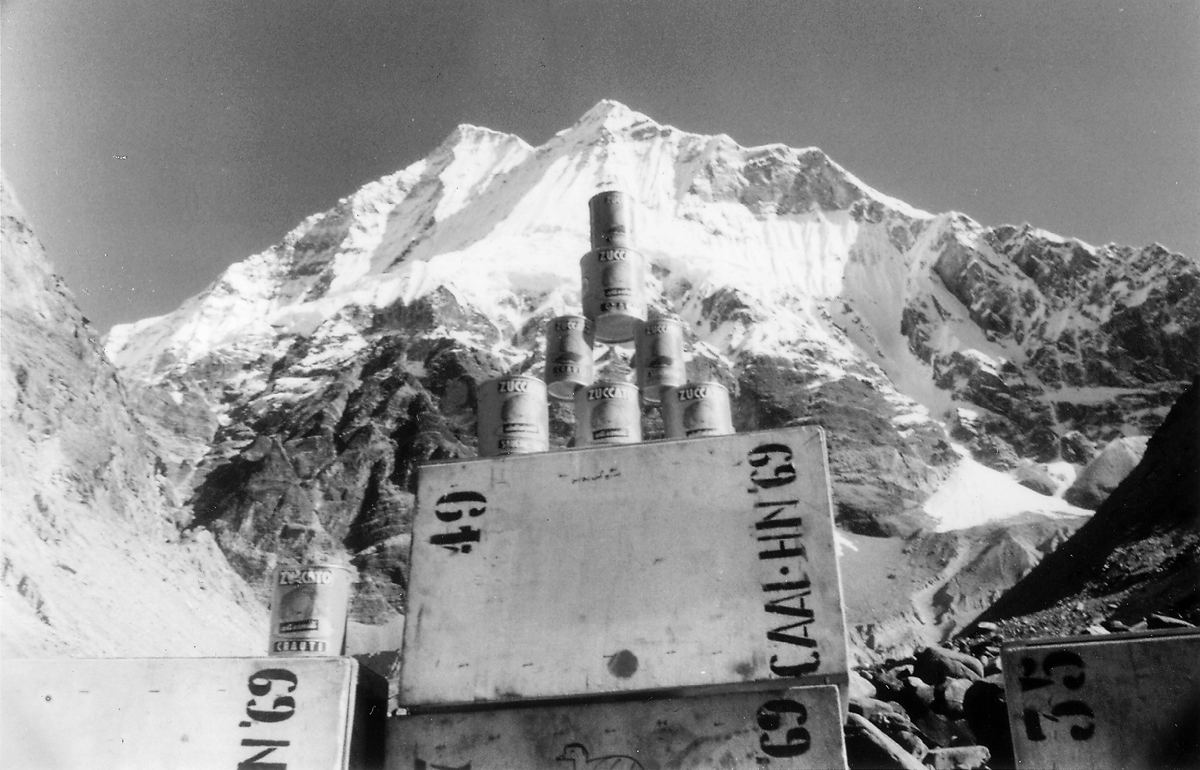
Posters, vintage packaging, mountaineering expeditions and racing sponsorships. A century of images that told the story of the brand, from the pasta workshop in Caltrano to the peaks of the Himalayas.

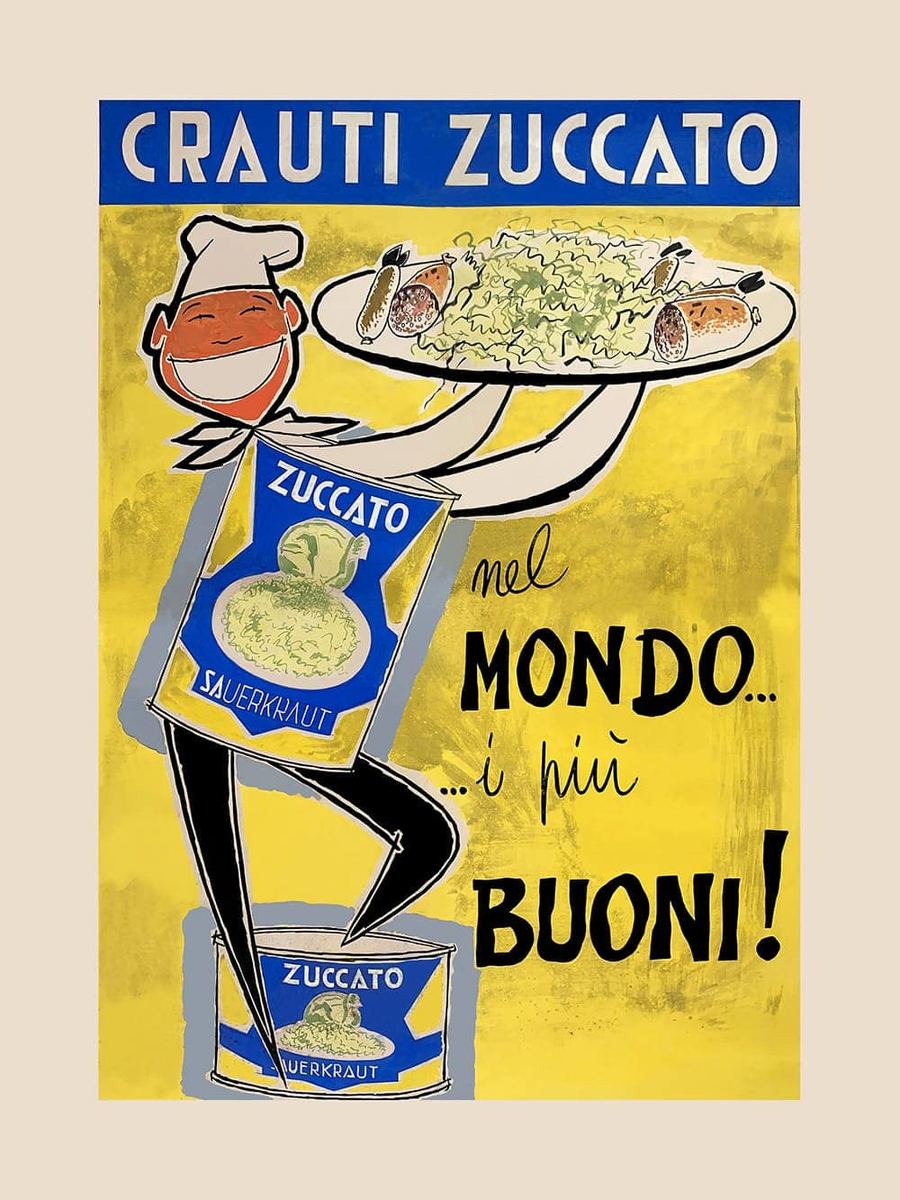
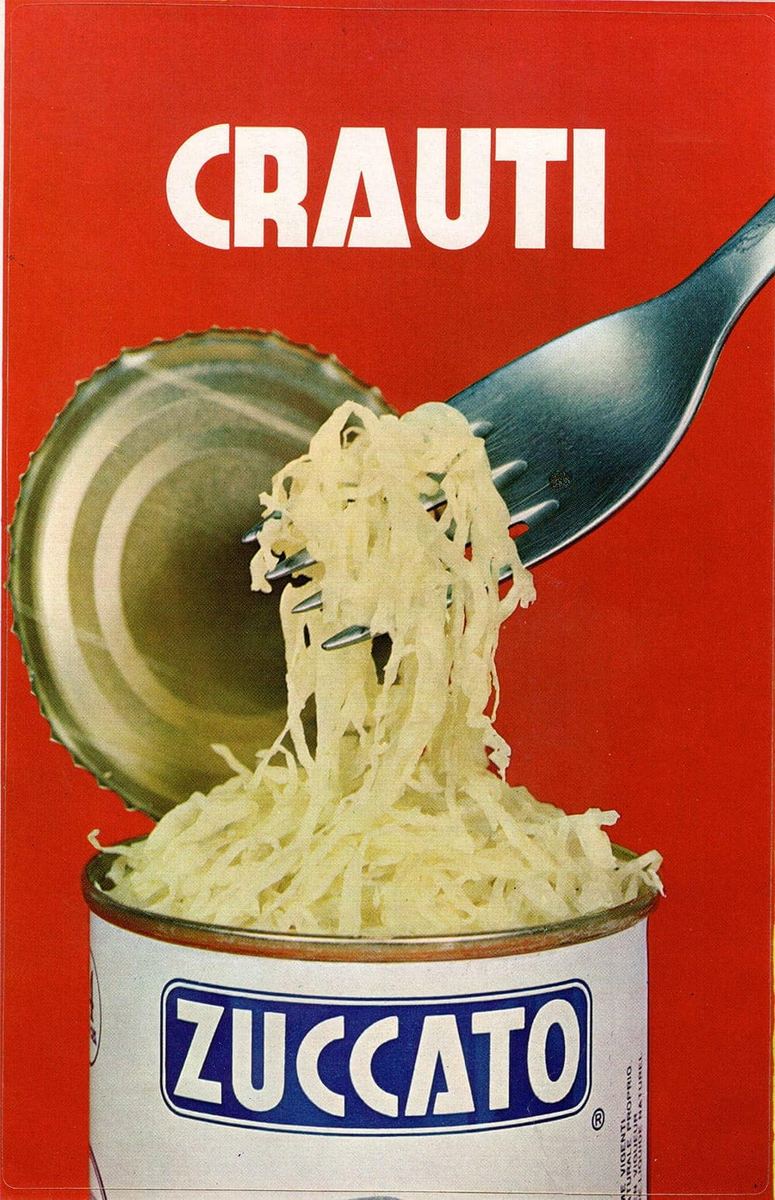
Vintage Zuccato Sauerkraut advertising poster
1950s — 1960s

"Zuccato Sauerkraut around the world… the best!"

Zuccato Sauerkraut poster, 1950
1950

The Zuccato tin, an icon of the Italian table

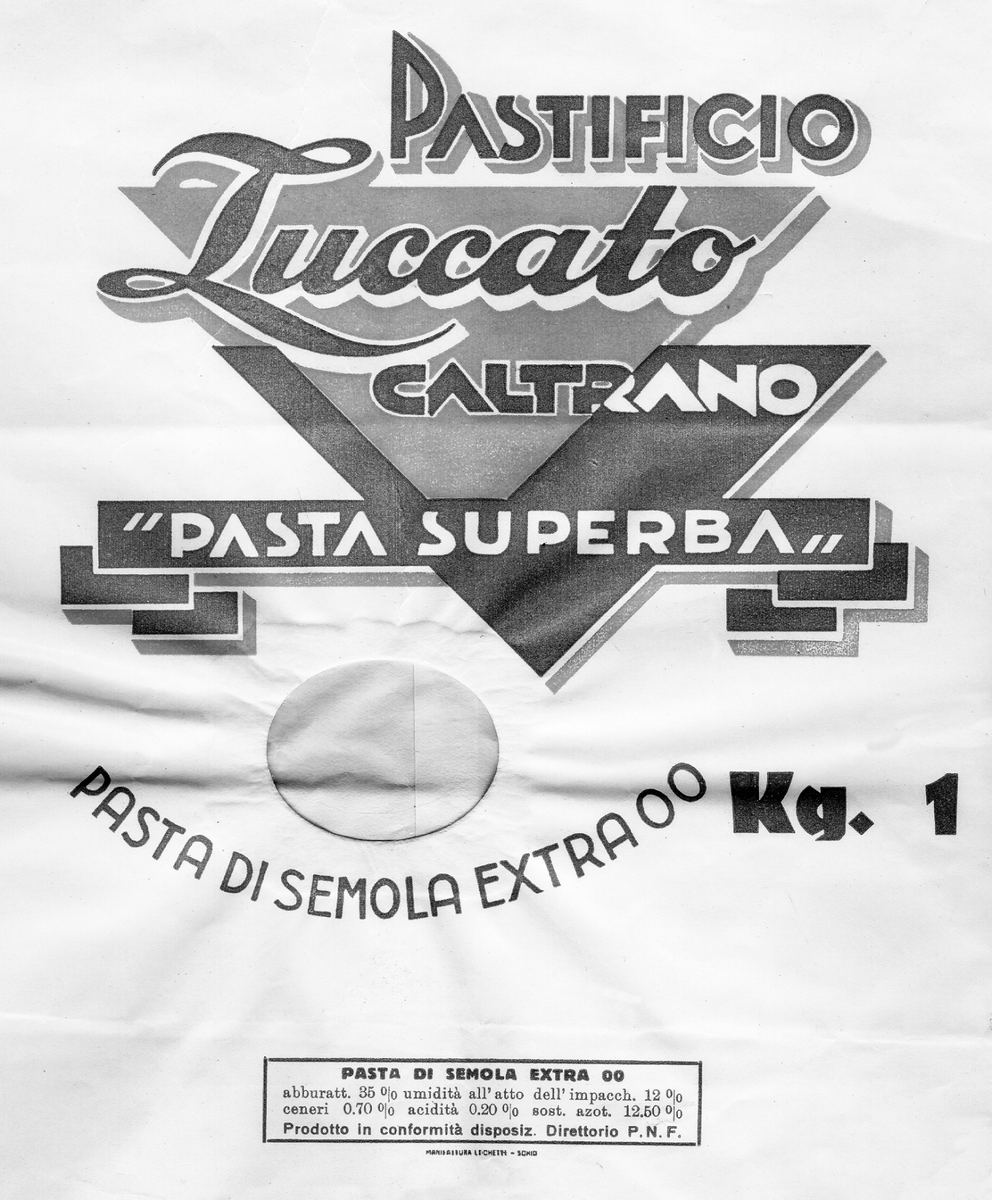
Pastificio Zuccato Caltrano paper bag
Pastificio Zuccato — Caltrano

"Pasta Superba" of extra semolina, 1930s

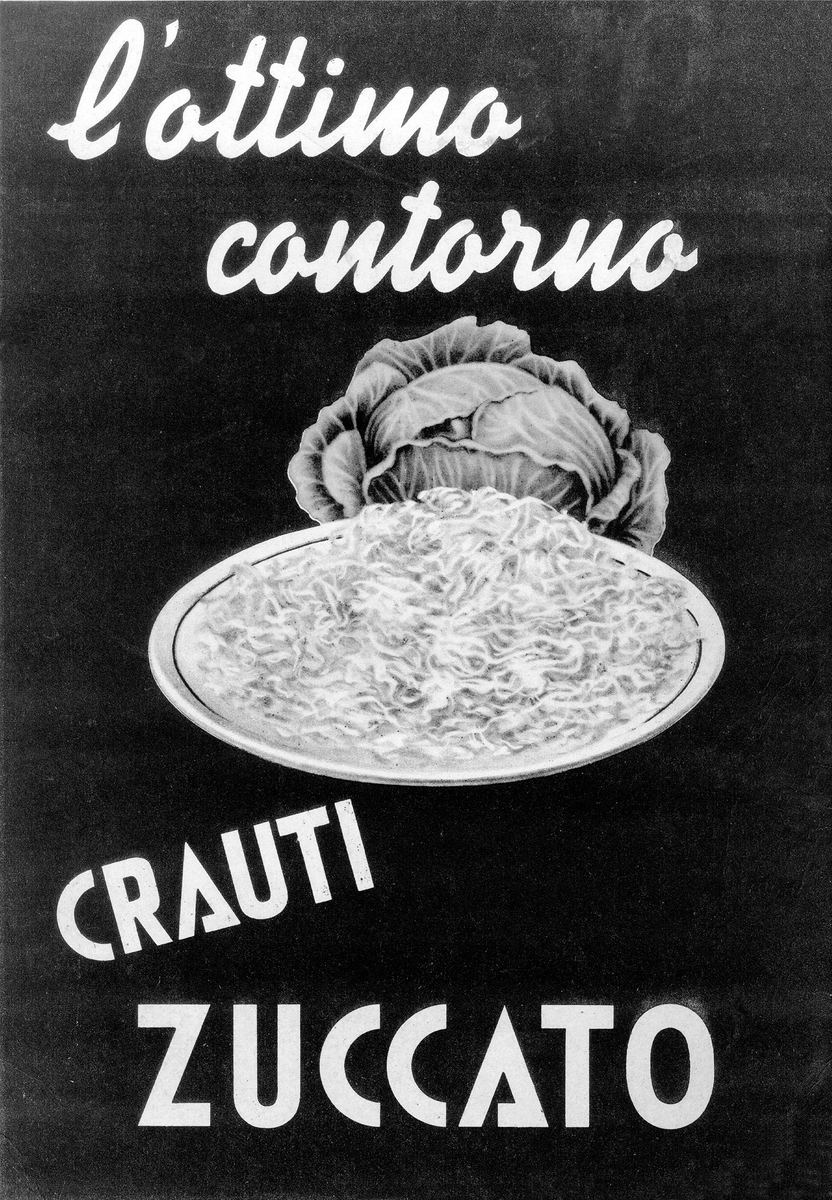
Period poster — The perfect side dish, Zuccato Sauerkraut
Zuccato Sauerkraut advertisement

"The perfect side dish" — period poster

Spitzbergen expedition 1968 — Zuccato provisions
Spitzbergen expedition, 1968

Zuccato Sauerkraut at extreme latitudes

Zuccato provisions at the base camp of a Himalayan expedition, 1969
Himalayan expedition — 1969

Stacks of Zuccato tins at the foot of the mountain

Certifications

1995

ISO 9001

Quality management system

2001

ISO 14001

Environmental management system

2003

ISO 22005:08

Agri-food supply chain traceability

2010

IFS

International Featured Standards

Zuccato quality certifications: IFS Food, CSQA and ICEA

The highest quality raw materials, the love for our work and so many years of experience: this is Zuccato.

Discover our products→